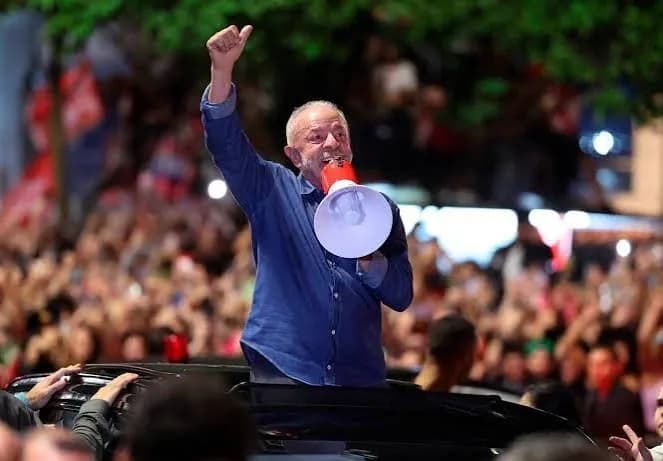
Lula’s election win in Brazil is now official. Luiz Inácio Lula da Silva won the presidential runoff on Sunday, Oct. 25, 2026, beating Sen. Flávio Bolsonaro by 51.79% to 48.21% of valid votes, according to the count from Brazil's Superior Electoral Court, known as the TSE (Rio Times). He becomes the first Brazilian president to win a fourth term, and the first candidate since direct presidential elections returned in 1989 to finish second in the first round and still win the runoff (CNN).
For American readers, Lula’s election win in Brazil is more than a foreign headline. It touches U.S. tariffs, grocery staples like coffee and beef, emerging-market investments held in many retirement accounts, and the Trump administration's standing in Latin America. Below is what happened, what is confirmed, what is still being argued over, and what to watch before Lula's new term begins on Jan. 5, 2027.
The Result at a Glance
Lula won by about 4.43 million votes, a margin of roughly 3.6 percentage points. That is close, but more than double the margin by which he beat Jair Bolsonaro, Flávio's father, in 2022.
|
Item |
Detail |
|---|---|
|
Runoff date |
Sunday, Oct. 25, 2026 |
|
Lula (Workers' Party, PT) |
64,256,232 votes · 51.79% |
|
Flávio Bolsonaro (Liberal Party, PL) |
59,826,041 votes · 48.21% |
|
Margin |
4,430,191 votes |
|
First round (Oct. 4) |
Flávio 47.03%, Lula 45.16% |
|
New term begins |
Jan. 5, 2027 |
Vote totals are the TSE count with all polling sections reported.
The Jan. 5 start date is new. A 2021 constitutional amendment moved Brazil's presidential inauguration off New Year's Day, and 2027 is the first year the change applies.
How Lula Came Back From Behind
Three weeks before the runoff, Lula looked like the underdog. Flávio Bolsonaro led the Oct. 4 first round by about 2.2 million votes, and the final runoff polls still showed him slightly ahead. Four factors explain the reversal.
1. More people voted. Lula's campaign focused on getting first-round no-shows to the polls, and abstention fell from 21% to 19% in the runoff. Lula added about 10 million votes between rounds.
2. Regional strongholds held, and a swing state flipped. Lula carried all nine northeastern states. He also won Minas Gerais, the state with Brazil's second-largest electorate.
3. A pocketbook pitch. Between rounds, Lula signed a law raising the revenue ceiling for individual microentrepreneurs, proposed consumer-debt renegotiation programs, and called for ending online betting, which has added to household debt.
4. Trump's tariffs became a campaign issue. Lula framed his resistance to U.S. tariffs as a defense of Brazilian sovereignty. He accused the Bolsonaro family of lobbying Washington for those tariffs, a charge that landed with some normally conservative farm voters. Flávio rejected the accusation.
In his victory speech in São Paulo, Lula called the result a "defeat of denialism. A defeat of lies."
What Is Confirmed and What Is Still Disputed
The count is final, and the losing side has formally accepted it. A legal fight over how the campaign was run may continue.
Confirmed:
- The TSE count shows Lula elected with 51.79% of valid votes.
- Flávio Bolsonaro's Liberal Party recognized the outcome on Monday, Oct. 26.
- Late Monday, Flávio effectively conceded.
- Governments in Europe, China, India, Russia and South Africa, among others, congratulated Lula.
Still disputed:
- The two-hour extension. On election night, Supreme Court Justice Cristiano Zanin extended voting nationwide by two hours at the Lula campaign's request, citing public transportation problems. Flávio said the change was unfair. His own campaign had also asked for an extension because of heavy rain in the south, and analysts said the scale of his loss made annulment unlikely.
- A new lawsuit. Instead of pursuing annulment, Flávio said he would sue, accusing Lula of abusing the powers of incumbency to sway voters. Legal observers expect significant hurdles.
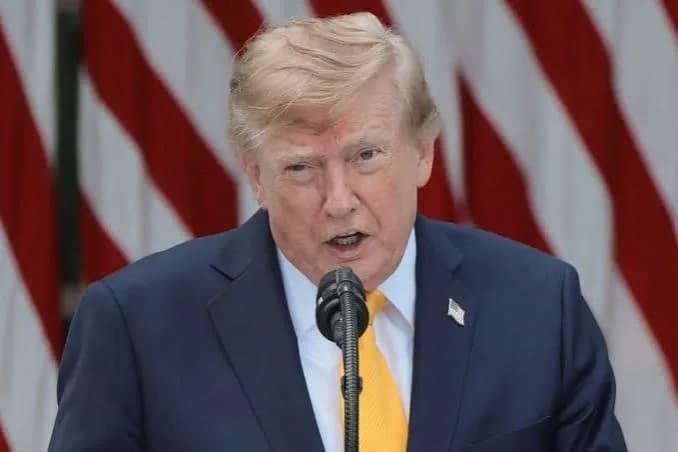
- Washington's view. Asked if the vote was fair, President Trump said, "It looked terrible to me." He has also said he gets along with Lula and is not running Brazil. No evidence has been made public showing the extension changed the outcome.
The backdrop matters. Jair Bolsonaro never accepted his 2022 loss and was later sentenced by Brazil's Supreme Court to 27 years in prison for plotting a coup to stay in power.
Why Lula’s Election Win in Brazil Matters to Americans
Brazil is the largest economy in Latin America and a major supplier of goods Americans buy every week. Here is where the result reaches the U.S.
Tariffs and trade
U.S.-Brazil trade has been tense for over a year. In July 2025, the Trump administration imposed a 50% tariff on Brazil, explicitly tied to Jair Bolsonaro's prosecution. A U.S. court later found the president had overstepped his authority under the law used for those tariffs. In July 2026, the administration replaced them with 25% tariffs on most Brazilian goods under a separate trade law, effective July 22.
What comes next is unclear. A former White House national security official, speaking anonymously to the press, said "more tariffs or other economic pressure would not surprise me." The same report noted that new tariffs could push Brazil closer to China, already a leading buyer of Brazilian farm goods.
Your grocery bill
The July 2026 tariffs exempted coffee, beef, oranges and orange juice, and aircraft parts. That matters because Brazil is the world's largest coffee producer. For now, the election itself has not changed what you pay for these staples. Watch whether those exemptions survive any new round of trade measures.
Investments and retirement accounts
Markets had bet on a Bolsonaro win, and they reversed hard. On Monday, Brazil's Bovespa stock index fell nearly 17%, and the real lost more than 10% against the dollar. Trading paused for 30 minutes after a circuit breaker tripped. The iShares MSCI Brazil ETF (EWZ), a fund many U.S. investors use for Brazil exposure, dropped 19%.
If you hold an emerging-markets or Latin America fund, check how much it allocates to Brazil before reacting. Investors are now watching for Lula's choice of finance minister and any commitment to fiscal discipline. This is general information, not personal investment advice.
Politics across the Americas
Lula's victory breaks a streak of seven straight right-wing wins in Central and South America over roughly 18 months. It also arrives a week before U.S. voters head to the polls; see our guide to where Trump, Obama and Harris are campaigning before the Nov. 3 midterms.
What Lula Faces in a Fourth Term
Winning the presidency was the easier part. Governing will be harder.
A more conservative Congress. In the Oct. 4 legislative vote, Bolsonaro's Liberal Party became the largest party in both chambers. It won 121 of 513 seats in the Chamber of Deputies and will hold more than a third of the 81-seat Senate. Brazil's party system is fragmented, so Lula will have to build coalitions bill by bill. He acknowledged as much in his victory remarks: "I didn't choose Congress."
A skeptical market. Investors want a credible plan to control spending and debt. Goldman Sachs expects Lula to make modest progress at most on containing spending, given his commitment to a state-led growth model. If markets stay unconvinced, borrowing costs for Brazil's government, businesses and households could rise.
A delicate U.S. relationship. Lula has emphasized ties with China, Brazil's largest export market, and with the Global South. In his victory speech, he also signaled that Brazil would not accept a junior role to any foreign power.
Age. Lula turns 81 on Oct. 27, 2026. He will be among the oldest sitting leaders in the Americas.
What to Watch Between Now and Jan. 5
Use this checklist to follow the story without getting lost in daily noise.
- Flávio Bolsonaro's lawsuit. Watch whether Brazil's electoral courts take up his abuse-of-power complaint, and how quickly they rule.
- Official certification. Brazil's electoral calendar sets Dec. 19 as the deadline for issuing credentials to winners, a formal step known as diplomação.
- The finance minister pick. Analysts see this as the clearest early signal of Lula's fiscal direction.
- Washington's response. Any new tariff announcement, or a change to the coffee and beef exemptions, would hit U.S. shoppers and importers most directly.
- The real and Brazilian stocks. A stabilizing currency would suggest investors are giving Lula's team time; further slides would signal deeper doubts.
- Inauguration on Jan. 5, 2027. The first ceremony held on the new date, followed by state governors' swearing-ins on Jan. 6.
Common Misreadings to Avoid
- "Lula won in a landslide." He won by about 3.6 points. That is decisive, but Brazil remains closely divided.
- "The election could be overturned." The losing party has accepted the result, and Brazil has no precedent for overturning a presidential election.
- "Coffee just got more expensive because of the vote." No new U.S. tariff on Brazilian coffee has been announced since the election. Coffee was exempted from the July 2026 tariffs.
- "Lula now controls Brazil's government." He controls the presidency. Congress leans further right than before, and the largest party in both chambers is his opponent's.
The Bottom Line
Lula’s election win in Brazil was a genuine upset, driven by turnout and a sovereignty message sharpened by U.S. tariffs. For Americans, the practical stakes are trade policy, the prices of a few grocery staples, and the value of Brazil-linked investments. The next useful signal arrives within weeks: Lula's finance minister pick and Washington's first concrete move on tariffs. Check back with the Daily US Wire News section as both develop.