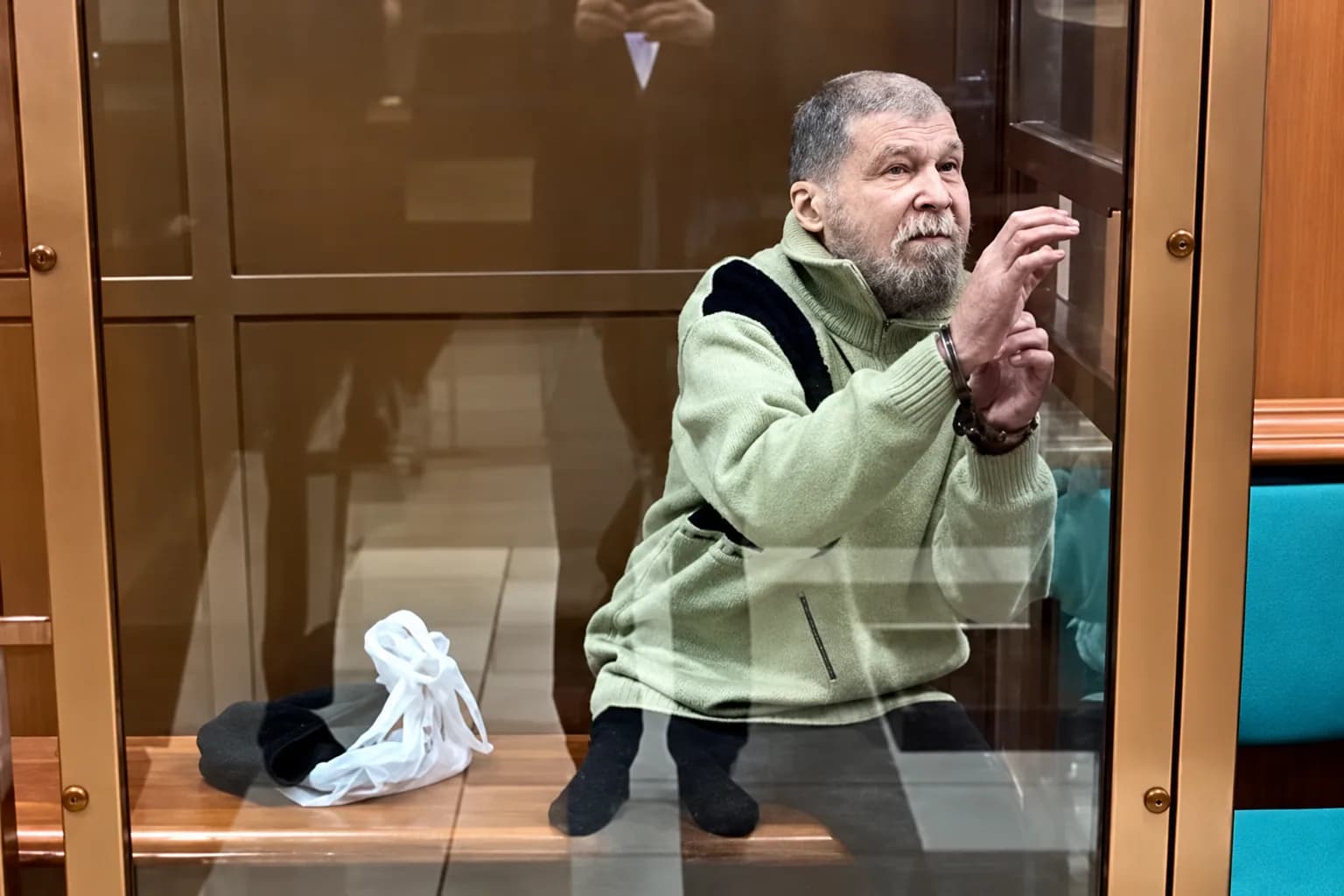
Russia has released Stephen Hubbard, the 74-year-old American teacher detained after Russian forces occupied his Ukrainian hometown in 2022. President Vladimir Putin announced his release on October 21 during a meeting with U.S. envoy Steve Witkoff in St. Petersburg, saying Hubbard had been taken to Pulkovo Airport.
For readers following the case, three questions matter: what secured his freedom, why Russia imprisoned him, and whether he has reached safety in the United States. The release announcement answers the first part of his journey home. It does not, by itself, confirm his arrival or establish his current medical condition.
What officials said about the release
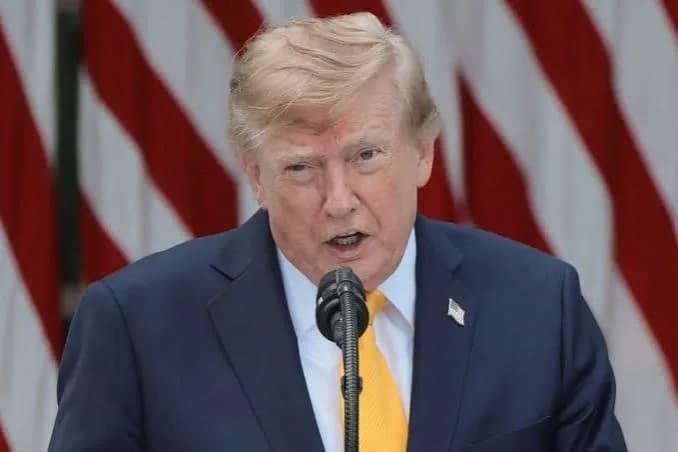
Witkoff thanked Putin during their meeting. President Donald Trump also confirmed the release, saying Washington had not been required to provide anything in return.
The Associated Press reported that the White House said Trump had asked Putin to free Hubbard during a telephone conversation the previous week. According to that account, the United States did not release another prisoner to secure his freedom.
That distinction matters. A release can follow diplomatic negotiations without being a prisoner exchange. Describing this development as a “swap” would imply a reciprocal transfer that the administration’s account does not support.
The available announcements also leave room for further reporting on the negotiations. Claims about concessions, conditions, or a wider agreement should be tied to specific evidence.
Who is Stephen Hubbard?
Stephen Hubbard grew up in Big Rapids, Michigan, and spent much of his adult life teaching English abroad. His sister, Patricia Hubbard Fox, told ABC News that he worked in Japan for about 25 years before moving to Cyprus.
In 2014, he settled in Izyum, also spelled Izium, in eastern Ukraine with a Ukrainian partner. According to his sister, he continued teaching English online to support himself. He was already living there when Russia launched its full-scale invasion in February 2022.
ABC News’ April 2025 reporting described a family struggling to obtain information about his whereabouts and welfare. His sister rejected Russia’s portrayal of him as a paid fighter.
His background is essential to understanding the dispute: his family described a teacher living overseas, while Russian authorities prosecuted him as a participant in the war.
Why Russia imprisoned Stephen Hubbard
A Moscow court convicted Stephen Hubbard of mercenary activity in October 2024 and sentenced him to six years and 10 months in prison after a closed trial.
Russian prosecutors alleged that he joined a Ukrainian territorial defense unit and was promised payment. Russian state media reported a guilty plea. His American lawyer, Martin De Luca, disputed the charges, saying Hubbard denied belonging to a military or combat unit.
In Reuters’ June 2025 reporting, De Luca said his client described being seized from his home by Russian soldiers. The lawyer also said his team learned only in April 2025 that Hubbard was being held in Russia’s Mordovia region.
Those accounts should remain clearly attributed. A Russian conviction establishes what the court decided; it does not independently verify the prosecution’s version of events. The defense’s account likewise needs to be identified as the defense’s account.
A timeline of Stephen Hubbard’s detention
The following dates help separate his capture from the later prosecution and diplomatic campaign:
| Date | Development |
|---|---|
| April 2022 | Russian forces detained him in Izyum, according to reporting on his case. |
| October 2024 | A Moscow court imposed a six-year, 10-month prison sentence. |
| January 2025 | Washington designated him wrongfully detained. |
| May 2026 | Senators publicly renewed demands for his release and raised health concerns. |
| October 21, 2026 | Putin announced his release during Witkoff’s visit. |
Reuters’ case overview documents the detention, conviction, and U.S. designation. The timeline shows that his captivity began more than two years before sentencing.
Why his health became an urgent concern
Concern about Stephen Hubbard’s health was documented well before the release announcement.
In a May 7, 2026, statement, Senators Jim Risch and Mike Crapo described the 74-year-old as being in declining health. They pointed to his family ties in Idaho and called for his freedom during Hostage Week.
The senators said they were working with the administration and supported penalties against governments that wrongfully detain Americans. Their statement provides a dated, official record of the concern surrounding his imprisonment.
It is not a medical assessment of his condition today. Any update about a diagnosis, treatment, or recovery should come from an authorized representative or another clearly identified source. Older descriptions of poor health should not be presented as a new examination.
What the release means for U.S.-Russia relations
Stephen Hubbard’s freedom comes amid renewed diplomatic contact over the war in Ukraine. Witkoff’s St. Petersburg meeting included an appeal for three-way negotiations, according to reporting on the talks.
The timing gives the release diplomatic significance. It demonstrates that an individual detention case can move forward during discussions between Washington and Moscow.
It does not establish a ceasefire, resolve territorial disputes, or prove that a broader settlement is close. Those outcomes require their own announcements and supporting details.
For background on a separate area of the conflict, Daily US Wire has covered Russia’s allegations about a Ukrainian refinery attack and the dispute over an energy pause.
Does this change the warning for American travelers?
The release of Stephen Hubbard should not be treated as evidence that travel to Russia is safe.
The State Department’s current Russia advisory remains Level 4: Do Not Travel. It warns of wrongful detention and says U.S. citizens in Russia should leave immediately.
The department also says its ability to assist detained Americans is limited. Russian authorities may deny consular access, and even a U.S. determination that detention is wrongful does not guarantee release.
Hubbard was detained in Ukraine, so his circumstances differ from those of a visitor entering Russia. The relevant lesson is about the limits of diplomatic protection: securing one person’s freedom does not remove the risks identified in the official advisory.
What to watch next
The next meaningful update on Stephen Hubbard is confirmation of his safe arrival and whatever information he or his representatives choose to share about his health.
Readers should also distinguish a confirmed homecoming from an airport transfer, and a statement about his freedom from claims about a larger diplomatic deal. Check the date and attribution of each update before sharing it.
For his family, the immediate question is now when they can be reunited—and how he can begin recovering after years in custody.